What Are Global Payments?
Global payments let people and businesses send or receive money across borders, often in different currencies. A buyer might pay in euros while a seller receives dollars. Banks, payment providers, card networks, and local payment services may all help move that money.
These cross-border payments support online sales, international trade, travel, and payments to overseas staff or suppliers. The process can look simple to a customer. Behind the scenes, several firms may route, convert, check, and settle each payment.
Payment speed and cost depend on the route. A card payment, bank transfer, and digital wallet payment can follow different paths, even when they serve the same buyer and seller.
Why Global Payments Matter to Businesses
Businesses can reach more buyers when they accept payments from other countries. A small online shop, for example, can sell to a customer abroad without opening a local store. A firm that pays overseas suppliers can also settle bills in the currency those suppliers expect.
Reliable payment methods help keep trade moving. If a payment takes days to arrive, a supplier may delay an order or charge for the wait. Clear costs and steady payment flow also help firms plan cash needs.
There is a customer benefit, too. People are more likely to finish a purchase when they can pay in a familiar way and see the right currency. Local card options or digital wallets can reduce extra steps at checkout.
- Reach customers in more markets
- Pay suppliers and staff across borders
- Offer familiar ways to pay
- Plan around payment costs and arrival times
How an International Payment Moves
A global payment often passes through several steps. The buyer starts the payment, then the seller’s provider checks the request and sends it to a bank or card network. The buyer’s bank may check funds and approve or decline the payment.
After approval, the funds still need to reach the seller. Providers may use partner banks or local payment systems to move money between countries. Currency conversion can happen during this stage or at another point in the route.
Finally, the seller receives funds in the agreed currency, less any fees. This final step is called settlement. It may happen later than the buyer’s approval, so a successful checkout does not always mean funds are ready to use.
- The buyer submits payment details.
- The provider sends the request for checks and approval.
- Banks or payment networks move funds through the route.
- The seller receives the settled amount after fees.

What Global Payment Processors Do
A global payment processor acts as an intermediary between businesses, banks, and payment networks. It helps send payment requests, pass back approval results, and route funds. Some providers also offer currency conversion, fraud checks, and tools for tracking payments.
One provider may cover many steps, while another handles only part of the flow. A business might use one firm for checkout and another for payouts. Ask which party handles each step, where funds are held, and who can help when a payment fails.
Payment processors can make new markets easier to serve. They may connect a business to local payment methods without requiring it to build direct ties with every bank. Yet the provider’s reach, fees, and support can differ by country.
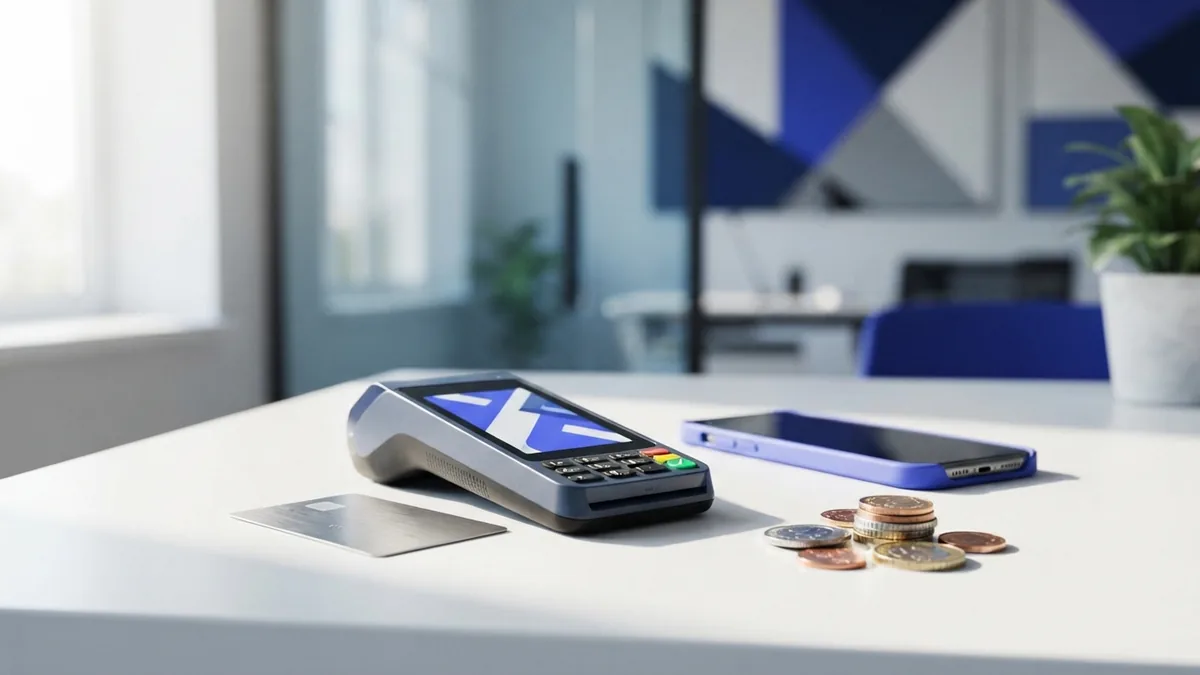
What Drives Fees, Delays, and Failed Payments?
Global payments fees are not one fixed charge. The total can include a processing fee, a currency conversion charge, and fees from banks or payment networks. Some providers also charge for refunds, disputes, payouts, or monthly account use.
The price often depends on the payment method, the buyer’s country, the seller’s country, and the amount. A card payment across borders may cost more than a local bank transfer. The exchange rate can also affect how much the seller receives.
Processing delays can arise when banks work in different time zones or use different payment rails. Extra checks may slow a transfer, especially when details need review. Weekends and local holidays can add waiting time.
Failed payments often stem from wrong account details, expired cards, low funds, or bank security checks. A payment may also fail when a provider does not support a local method. Show clear error messages and let buyers try another option.
| Cost or issue | What can affect it | What to check |
|---|---|---|
| Processing fee | Method, market, and payment size | Rate by country and payment type |
| Currency exchange | Rate spread and conversion timing | Rate used and any added charge |
| Delay | Bank hours, checks, and payment route | Expected arrival time by market |
| Failure | Wrong details, funds, or bank rules | Decline reasons and retry options |
Trends Shaping Global Payments
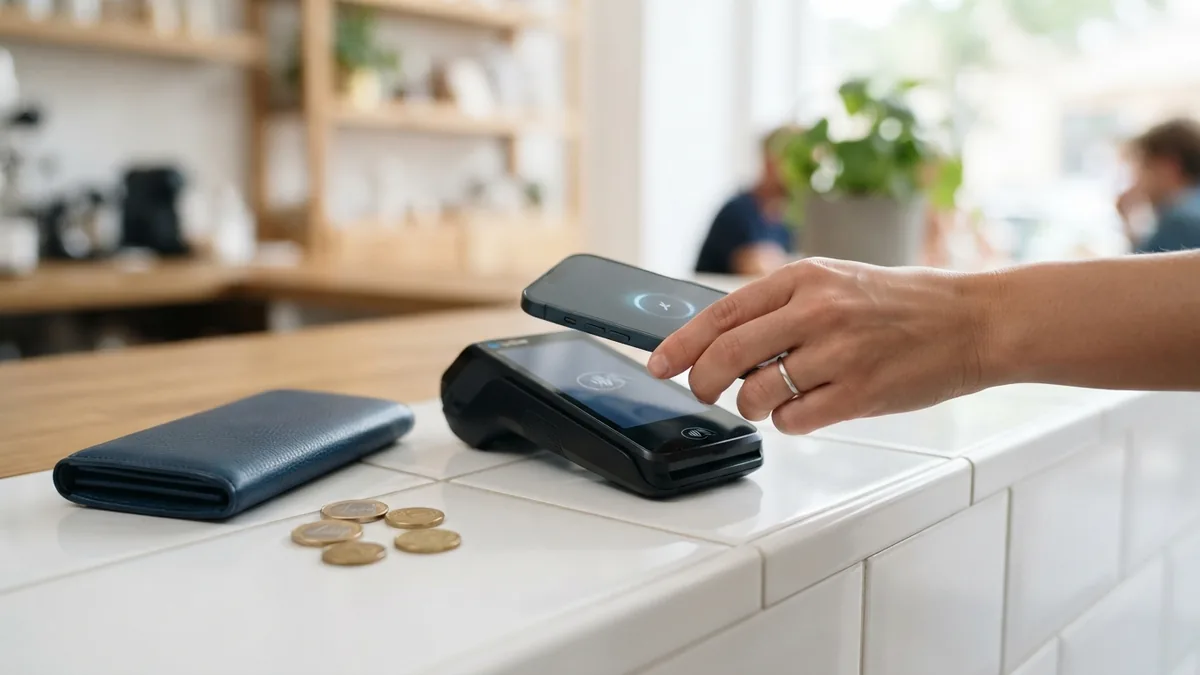
Digital wallets are gaining ground as more customers store cards or bank details on their phones. They can make checkout faster and reduce the need to enter payment details each time. A business should still check which wallets customers use in each market.
Contactless payments are also common in shops and on the move. Customers tap a card or phone at a terminal rather than insert a card or pay with cash. This can speed up checkout, but the business needs suitable devices and local support.
Payment technology keeps changing, but local habits still matter. Some buyers prefer bank transfers, while others use cards or local wallet services. Offering a useful mix can help, as long as the added methods fit the business and its costs.
How to Choose and Improve Your Payment Setup
Start with the countries where you sell or plan to sell. List the currencies, payment methods, and payout needs for each market. Then compare providers using the same set of payment examples, rather than relying on one headline rate.
Check compliance needs before signing up. Rules can vary by country and by the type of product sold. Ask the provider what checks it performs, what records it needs, and which tasks remain your responsibility.
Cost matters, but a low fee may not be the best deal if payments fail often or support is slow. Review the full cost, including exchange rates, refunds, disputes, and payouts. Also check how the provider connects to your store, finance tools, and reporting systems.
- Market coverage: Confirm support for your target countries and currencies.
- Payment choice: Check cards, wallets, and local methods buyers expect.
- Total cost: Compare fees, exchange rates, refunds, and payout charges.
- Rules and checks: Learn which duties belong to you and the provider.
- Integration: Test how the service fits your checkout and finance tools.
- Support: Ask how quickly the provider handles failed payments and disputes.
Track approval rates, failed payments, payout times, and total cost by market. These figures show where a payment route needs work. Test one change at a time, such as adding a local wallet or fixing unclear checkout steps.
Good fintech global payments depend on fit, not just reach. Choose a provider that meets your rules, cost goals, and system needs. Then review results as customer habits and markets shift.
- global payment fees
- cross-border payments
- international payment processing
- payment processor selection
- digital wallet payments