What ACH payments are and why subscriptions use them
ACH payments move money between bank accounts through the Automated Clearing House network. They let a business collect funds from a customer’s bank account or send money into it. For subscription services, ACH can offer a way to bill customers on a regular schedule without using a credit card.
ACH is a type of Electronic Funds Transfer, often shortened to EFT. Banks and credit unions send payment instructions through the network in batches. This differs from a card payment, which usually goes through card networks and may be approved within seconds.
An ACH payment is not the same as an instant bank transfer. It can take a few hours or several business days to settle. Same-day ACH options are available, but timing depends on the banks, provider, cutoff times, and payment rules.
- Customer: Gives permission to debit a bank account or receives a deposit.
- Business: Sends payment details through its bank or payment provider.
- ACH network: Routes the instruction between the banks involved.
- Receiving bank: Posts the funds to the right account.
For a paid subscription, the customer can authorize a recurring bank debit. The service then collects each scheduled payment, such as a monthly plan fee. This can suit customers who prefer paying from a bank account or do not want to share card details.
How ACH payment processing works
The process starts when a customer shares bank details and gives clear permission for a payment. The business sends the payment request to its ACH provider. The provider checks the details, then submits the instruction through the relevant bank.
ACH payments are usually processed in batches, not one by one in real time. The sending bank groups payment instructions for network processing. The receiving bank then posts the credit or debit to the account.
For a subscription, the business can save the customer’s approved payment details with its provider. It sets a billing date and amount, then sends a debit request for each cycle. The customer should know the amount, timing, and way to cancel before recurring billing begins.
Processing time varies. A standard payment may take one to three business days, though some take longer. Same-day ACH can move eligible payments faster when the provider and banks support it. Weekends, holidays, account checks, and cutoff times can affect the arrival date.
- The customer gives bank details and authorizes the payment.
- The business or provider submits the debit or credit instruction.
- Banks exchange the instruction through the ACH network.
- The receiving bank posts the payment, or returns it if it fails.
A returned payment can happen when an account lacks funds or its details are wrong. The provider may notify the business after the bank returns the debit. Set a clear retry plan, and tell customers how to update their payment details.
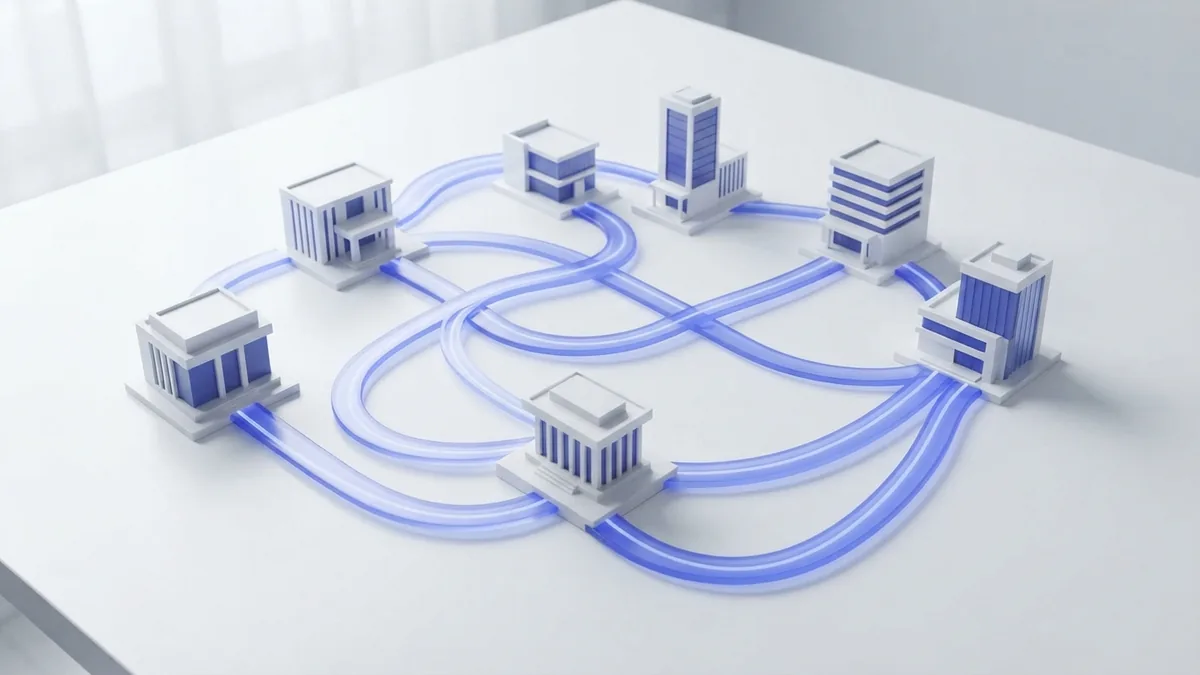
Direct deposits and direct payments
ACH transactions fall into two broad groups: direct deposits and direct payments. A direct deposit sends money into an account. Employers use it for payroll, while governments and businesses may use it for other payments.
A direct payment moves money out of an account or sends funds between accounts. People use direct payments to pay bills, make loan payments, and fund subscriptions. A business collecting a subscription fee uses a direct debit, which is a form of ACH direct payment.
The words describe the direction and purpose of a payment, not a different network. Both types use ACH to move payment instructions between financial institutions. The exact steps and timing can still vary by bank and provider.
For subscription companies, direct payments can make repeat billing easier to manage. A business can set a recurring schedule instead of asking customers to pay each month. It should still track failed payments and give customers a simple way to change or stop their authorization.
Benefits of ACH for subscription businesses
ACH can help a business streamline repeat billing. Once a customer authorizes a recurring payment, the business can collect funds on set dates. This cuts down on manual invoices and reminders for plans with a stable price.
Costs can also be lower than card fees, depending on the provider and payment size. Some providers charge a percentage with a cap, while others use flat fees or separate charges. Compare the full fee schedule before choosing a payment method.
Bank payments may also help customers whose cards expire or reach their spending limit. Customers can pay from a bank account without relying on a credit card. Still, ACH is not a fit for every buyer, especially when they need immediate confirmation.
ACH has trade-offs. Settlement may take longer than card approval, and returned payments need follow-up. A business should show payment status clearly and keep a second payment option for customers who need faster processing.

How to accept ACH payments
Start by checking whether your payment provider supports ACH debits for your business and customer locations. Ask which account types it accepts, how it handles recurring payments, and when funds become available. Confirm how the provider reports returns and failed debits.
Next, choose a way to collect bank details and permission. A hosted checkout form can help keep account data out of your own systems. Make the authorization terms easy to read, including the payment amount, billing schedule, and cancellation method.
Set up the billing flow before inviting customers to pay. Pick a billing date, define how you handle failed payments, and decide when to send reminders. Test a small payment first, then check the payment status and any notices in your provider dashboard.
- Check ACH availability and fees with your payment provider.
- Collect bank details and clear customer authorization.
- Set billing dates, receipt notices, and a return-payment plan.
- Test the flow and explain how customers can update or cancel.
Keep records of each customer’s authorization and payment changes. Limit staff access to bank details, and use the security features offered by your provider. If the customer changes banks, pause billing until they add valid details and approve the new account.
ACH rules and provider terms can differ. Review them before launching a subscription plan, especially if you serve customers across borders. Many ACH services focus on U.S. bank accounts, so check coverage in your target markets.
What ACH payments cost
ACH fees depend on the provider, transaction size, and service plan. Some charge a flat amount per payment. Others charge a percentage, sometimes with a maximum fee. There may also be fees for returned payments, setup, or faster processing.
As one example, Stripe’s pricing page lists U.S. ACH Direct Debit fees as 0.8% per successful payment, capped at $5. Check the page for current terms, since rates can change and may differ by account or market.
Compare costs using your typical subscription price and monthly payment count. For example, a capped fee can matter more on a large bill than a small monthly plan. Include return fees and any monthly charges in the estimate, not just the standard payment fee.
Ask your provider whether faster ACH options cost extra and when each payment type settles. A lower fee may not help if slow settlement creates cash-flow issues. Pick the mix of ACH and card payments that fits customer needs and your billing costs.
- ACH payment processing
- recurring bank payments
- subscription billing payments
- ACH direct deposit
- ACH direct payment