What a surcharge means
A surcharge is an extra fee added to the price of a good or service. It raises the total a customer pays. The surcharge meaning depends on why the fee applies and how the seller shows it.
A merchant is a person or business that sells goods or services. In English, merchant means seller. The phrase merchant meaning in English is simply a seller or trader. A merchant may add a fee for a stated cost, service, or event.
A surcharge differs from a tax. A government sets taxes under law, while a business sets its own fees. Local rules and contract terms may limit those fees. The label alone does not prove a charge is fair or allowed.
- Base price: The listed cost before added fees.
- Surcharge: An extra charge tied to a stated reason.
- Total: The amount due after fees and taxes.
Check the full amount before you agree to pay. Ask what the fee covers if its name is unclear.
How surcharges apply to transactions
A surcharge can appear at checkout, on an invoice, or after a missed due date. A seller might charge a flat fee, such as $3. Another might add a share of the purchase price.
For example, a 2% surcharge on a $100 purchase adds $2. The subtotal becomes $102 before any tax that may apply. Tax rules vary by place, so check the receipt and local rules.
A card surcharge may apply only when you pay by card. A service fee may apply to anyone who uses a certain service. Ask what triggers the fee and whether another payment method changes the total.
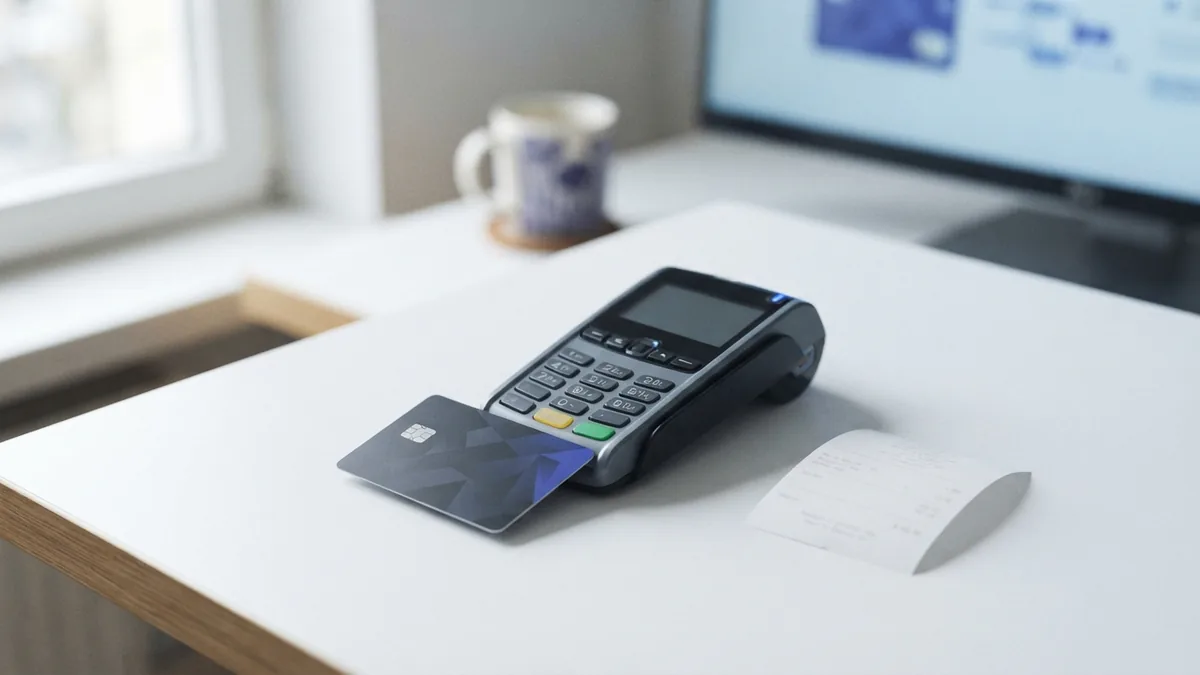
The phrase merchant purchase meaning is the sale made by a business to its customer. The device used to take a card in person is often called a merchant purchase terminal. In either case, check the price and added fees before you confirm.
- Check the displayed price before you buy.
- Ask what the extra fee covers.
- Compare the full cost for each payment option.
- Keep the receipt and any fee notice.
Compare the full cost, not just the listed price. Keep the receipt in case the final amount seems wrong.

Surcharges in financial transactions
Surcharges often appear in financial transactions, including card payments and bill payments. A seller may add a fee for a special service. A business may also charge a penalty after a late or failed payment.
Financial transaction processing means the steps used to move a payment from payer to seller. A bank, card network, or payment service may take part. These parties can charge the business for their services, but that does not mean every cost becomes a customer surcharge.
A settled payment has passed through the usual steps and reached its final stage. The phrase settled payment meaning does not prove that every fee was valid. A refused payment means the payment was not approved. A failed payment may lead to a fee if the terms and local rules allow it.
A customer may ask to revise a payment record if a fee or item is wrong. The phrase revise payment meaning is to change or correct payment details. After a payment settles, the seller or card provider can explain which changes remain possible.
A dispute transaction means asking a card provider or payment firm to review a charge. Start by asking the seller to explain the fee. Save the receipt and messages if you need to seek a review.
- Card surcharge: A fee linked to paying by card.
- Late fee: A charge after a payment due date.
- Service fee: A charge for an added service.
- Returned payment fee: A charge after a payment fails.
Legal implications and customer rights
Surcharge rules depend on where a sale takes place and what the fee covers. Some places limit or ban certain charges. Card networks may also set notice rules for businesses that add card surcharges.
A business should show a fee before you agree to pay. A hidden charge, a false label, or a fee barred by law or contract may raise a concern. In some legal settings, surcharge can also mean an overcharge beyond what the law or contract allows.
Start by comparing your receipt with the price and terms shown before purchase. Ask the merchant to explain the charge. If the answer does not solve the problem, request a correction in writing.
For a card payment, contact your card provider if the seller will not help. Ask about its review process and any time limits. Save your receipt, order details, and messages.
To ensure a payment is handled as agreed, check the total and fee terms before approval. The payment purpose is the reason for the charge, such as a service or late fee. If the purpose is missing or vague, ask for details before paying.

Examples of common surcharges
Imagine a restaurant lists a meal at $40 and clearly shows a 3% card surcharge. The fee is $1.20, so the subtotal becomes $41.20 before tax or tip. The customer can compare that total with the cost of paying another way.
A utility firm may charge a late fee when a bill remains unpaid past its due date. A delivery firm might add a fee for same-day service. The reason for each charge should be clear on the bill or at checkout.
A repair shop could charge extra for urgent work outside its usual hours. The shop should state the added cost before starting the work. If the customer did not agree to the fee, they can ask the shop to explain its terms.
Fees can vary by merchant, location, service, and payment method. A fee that seems small can still change the final cost. Compare the total across sellers when you have a choice.
| Example | Possible reason | What to check |
|---|---|---|
| Card fee | Cost linked to card acceptance | Notice, amount, and local rules |
| Late fee | Payment arrived after its due date | Due date and account terms |
| Urgent service fee | Work or delivery outside the usual service | Prior notice and agreed price |
How to assess a surcharge
First, find the fee on the receipt, order page, or bill. Compare it with the amount shown before you paid. Check whether the fee is fixed or based on a share of the price.
Next, look for the reason and the terms that allow the charge. Ask the seller what would happen if you used another payment method. If a charge seems wrong, contact the seller promptly and keep a record of the reply.
Do not assume that a fee is valid just because it appears on a receipt. Rules differ, and the same label can mean different things in different settings. A clear explanation helps you decide whether to pay, ask for a change, or seek a review.
Understanding surcharges helps you make informed buying choices. Focus on the final cost, the stated reason, and the rules that apply where you live. That gives you a sound basis to question a fee when needed.
- card surcharge rules
- payment service fees
- disputed card charge
- late payment fee
- payment processing steps