What data tokenization does
Data tokenization protects sensitive information by replacing it with a unique, non-sensitive value called a token. A payment system can use that token instead of storing or sharing a card number. If someone intercepts the token, it should reveal nothing about the original data.
A well-built token has no mathematical relationship to the value it represents. It cannot be reversed with a formula or ordinary decoding method. A separate token vault may map tokens back to the original values, but access to that vault must be tightly controlled.
Tokenization supports tokenization data security by keeping sensitive values out of more systems. It does not make every system safe by itself. Teams still need sound access controls, monitoring, and secure handling of the token service.
Key benefits for payment data security
Tokenization can lower the harm caused by a breach. A stolen token is far less useful than a stolen card number, especially when the token only works in a defined setting. For example, a token made for one merchant or payment channel may not work elsewhere.
It also lets approved systems process payments without seeing the full card number. A retailer might keep a token for refunds or repeat purchases while limiting access to the underlying card data. This can make day-to-day work safer and reduce the number of systems that handle sensitive values.
Unlike encryption, token use does not depend on decrypting the value at each step. There is no decryption key for an attacker to steal from a system that only holds tokens. That reduces one key-management risk, though the vault and its access paths still need strong safeguards.
- Limits exposure of raw card data across business systems
- Reduces the value of data stolen from token-only systems
- Supports secure payment processing and payment routing data flows
- Can reduce the number of systems subject to card data rules
The strongest gains come from reducing where sensitive data can appear. Tokenization does not replace other security controls. It works best as one part of a wider data protection plan.
How tokenization works in a payment flow
A typical payment flow starts when a customer enters card details. A token service receives the sensitive value and replaces it with a token. The business then stores or sends that token instead of the card number.
With real-time tokenization, the replacement happens as soon as the data is generated or captured. This helps prevent raw card data from appearing in logs, web servers, or other systems during transfer. The payment provider can use the protected value to route or process the payment.
Some designs keep the token-to-card link in a secure token vault. Other designs use vaultless tokenization, where controlled methods create tokens without one central lookup store. Each model has trade-offs around recovery, availability, and how tokens can be used.
- Capture: A trusted payment component receives the card data.
- Replace: The token service returns a token for later use.
- Store or send: Business systems keep or pass the token, not the card number.
- Use when needed: An approved service maps the token back or sends it for payment processing.
Keep the raw data path short. The fewer systems that touch card details, the easier it is to limit access and review data flows.
Tokenization versus encryption
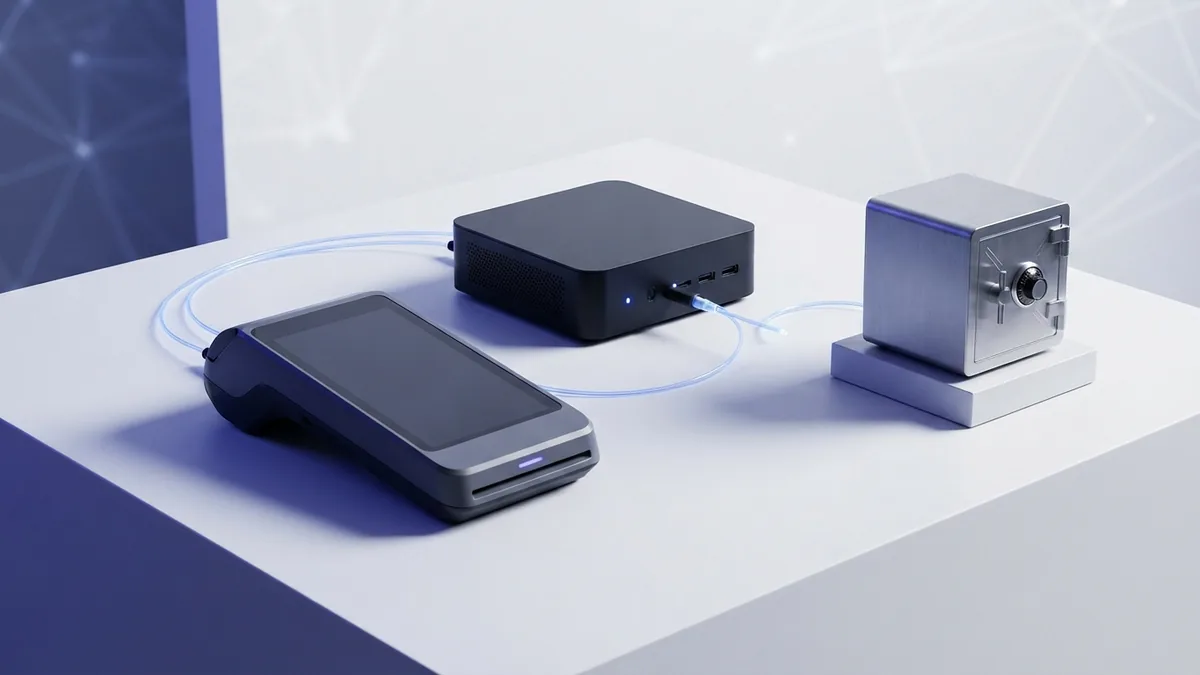
Encryption changes readable data into a coded form. Someone with the right key can turn it back into the original value. Tokenization replaces the value with a separate identifier that has no mathematical link to it.
Encryption is useful when systems must later recover the same data. Tokenization suits cases where other systems need a usable reference but do not need the original value. A payment database, for example, may use a token to find an account without storing its card number.
These methods can work together. A token vault may encrypt stored card data and restrict access to a small set of services. Tokenization reduces exposure, while encryption helps protect sensitive values that still need to be held.
| Feature | Tokenization | Encryption |
|---|---|---|
| How data is changed | Replaced with a separate token | Changed into coded data |
| How it is restored | Requires an authorized mapping service | Requires the right key |
| Best fit | Systems that need a safe reference | Systems that must recover the original value |
Neither method makes poor access control acceptable. Protect the systems that hold keys or token mappings, and limit which staff and services can reach them.
PCI DSS and the effect on scope
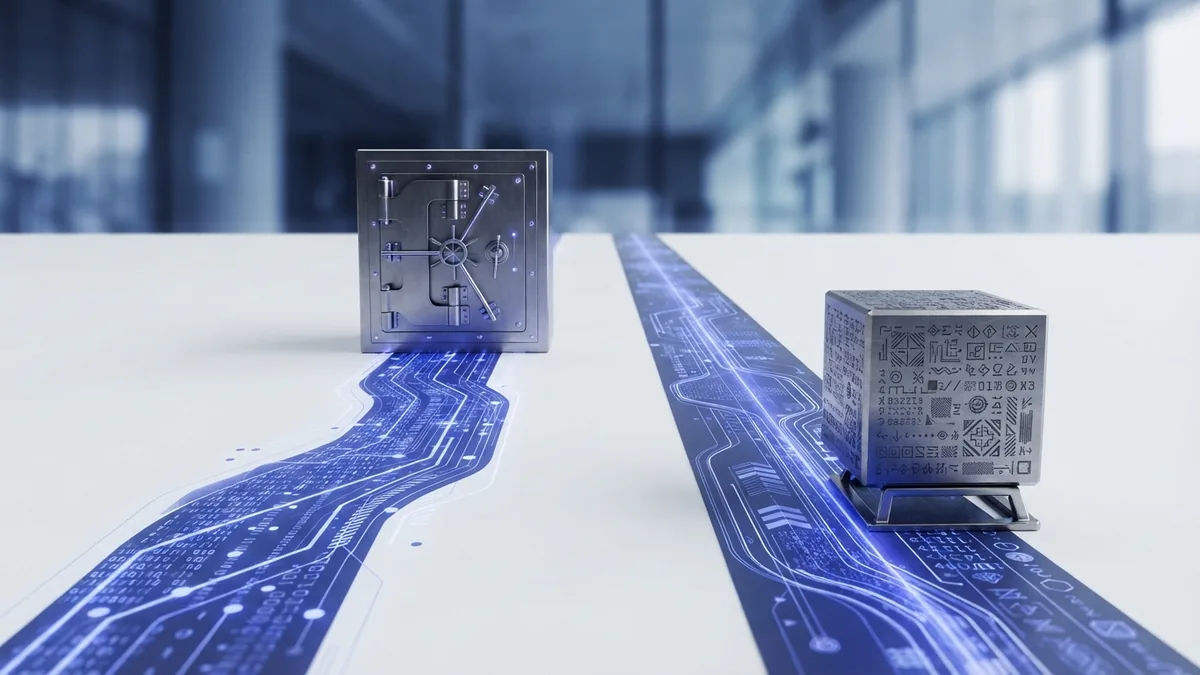
PCI DSS means Payment Card Industry Data Security Standard. It sets security requirements for organizations that store, process, or transmit payment card data. Tokenization can help meet those requirements by keeping card numbers out of more systems.
That can simplify compliance audits. If a system only handles tokens and cannot access the token vault or recover card data, it may fall outside some card-data controls. But tokenization does not automatically remove a system or business from PCI DSS scope.
The token service, vault, and systems that can restore or affect card data may remain in scope. Connections also matter. A system linked to an in-scope environment may still need review, based on its access and impact. Confirm the scope with your assessor and document the full data flow.
The PCI Security Standards Council's PCI DSS information is the primary source for the standard and its official resources. Use current guidance when planning payment card industry data security standard compliance, since controls and assessment needs can change.
- Map where card data enters, moves, and leaves your environment.
- Mark each system that can view, restore, or change card data.
- Record how tokens are created, stored, and used.
- Ask your assessor to confirm the scope and evidence needed.
Tokenization can narrow the audit footprint, not erase it. Clear records and tested controls help show where card data is protected.
Where organizations use tokenization
Payment firms and retailers use tokens for saved cards, refunds, and repeat purchases. A merchant can keep a token for a customer account while its main sales tools never see the full card number. Payment routing data can also include tokens, so routing tools need not carry raw card details.
Healthcare groups can use similar methods to protect patient identifiers in billing and data exchange. A token can let approved teams link records without exposing a direct identifier to every service. The design must still meet the rules that apply to health data.
Tokenization can help during cloud migration, too. Teams can move workloads that use tokens while keeping raw card data within a more restricted service. This only helps when access paths, logs, backups, and support tools are checked as part of the move.
Different uses need different token rules. A token that works for a single merchant may be safer than one accepted across many systems. Set limits for where each token works, how long it lasts, and which service can request a reversal.
Challenges to plan for
Tokenization adds a service that must stay available. If the token service or vault fails, payments or refunds may stop. Plan for outages, backup, recovery, and safe changes before moving live traffic.
Teams can also create risk by letting tokens work too broadly. A token used across many merchants or channels may be more valuable if stolen. Set token rules around the use case, and test whether a token can be replayed in another setting.
Data mapping takes care. List every place card data may enter, including call centers, exports, support tools, and old systems. Check logs and backups as well as the main database. A forgotten copy can keep a system in scope even after the main app uses tokens.
Finally, make ownership clear. Name the team that runs the vault, reviews access, and responds to alerts. Test the full payment path, including recovery and token reversal, before launch. These steps help tokenization cut exposure without creating a weak point of its own.
- data tokenization
- payment data security
- PCI DSS compliance
- token vault security
- real-time tokenization