What is SEPA?
SEPA is the Single Euro Payments Area. It lets people and businesses send and receive euro payments across participating countries using shared payment rules. In many cases, a payment between two SEPA countries works much like a domestic euro transfer.
SEPA is not a bank, an account, or a payment app. It is a set of rules and payment schemes used by banks and other payment providers. The European Payments Council sets the main schemes and publishes the SEPA scheme country list.
In banking, a SEPA payment means a euro payment sent through one of those schemes. The account may be held in a country outside the European Union, as long as the bank and country are part of the relevant scheme. SEPA covers euro payments, not every currency or every kind of bank transfer.

How a SEPA bank transfer works
To send a SEPA bank transfer, the sender gives their bank the recipient’s name and IBAN (International Bank Account Number). The sender enters the amount in euros and approves the payment. The bank checks the details, then sends payment instructions through the banking network.
The recipient’s bank receives the instructions and adds the funds to the recipient’s account. A standard SEPA Credit Transfer usually arrives by the end of the next business day after the bank receives the order. Weekends, public holidays, bank cut-off times, and extra checks can affect the timing.
SEPA Instant Credit Transfers can arrive within seconds, at any time of day, if both banks support the service. This speed does not mean every transfer is instant. Check the payment type and any limits shown by your bank before sending.
A SEPA transfer differs from many other international bank transfers because it moves euros under shared rules. A transfer that uses another currency may need currency exchange and may pass through extra banks. Those steps can add fees and time. SEPA transfers can still have fees, based on the account or provider.
- Use the recipient’s IBAN and check it before sending.
- Confirm that the payment is in euros.
- Check whether you chose a standard or instant transfer.
- Review the fee and arrival estimate shown by your bank.

Which countries are in the SEPA zone?
The SEPA zone includes the 27 European Union countries and a number of other countries and territories. It is wider than the European Union. Being in the SEPA zone does not mean a country uses the euro as its own currency.
SEPA scheme members include Iceland, Liechtenstein, Norway, Switzerland, and the United Kingdom. The list also includes Andorra, Monaco, San Marino, and Vatican City. Albania, Moldova, Montenegro, North Macedonia, Serbia, and Ukraine are included in the scheme country list.
The EU members are Austria, Belgium, Bulgaria, Croatia, Cyprus, Czechia, Denmark, Estonia, Finland, France, Germany, Greece, Hungary, Ireland, Italy, Latvia, Lithuania, Luxembourg, Malta, the Netherlands, Poland, Portugal, Romania, Slovakia, Slovenia, Spain, and Sweden. Country participation can depend on the payment scheme, so check the current list if a transfer is rejected.
For example, a euro payment from France to Norway can use a SEPA scheme when both banks support it. A payment from France to the United States is not a SEPA transfer. It may use a different bank network and may need currency exchange.

Benefits of using SEPA transfers
SEPA gives people and firms a common way to make euro payments across borders. You do not need a separate payment method for each participating country. That can make bills, invoices, salaries, and family transfers easier to manage.
Fees may be lower than those for other international transfers, especially when the payment stays in euros. Costs depend on your bank, account plan, and payment type. Check the fee before you approve the transfer. The recipient may also face a fee under their own bank’s terms.
Shared payment rules can make payment details more consistent. Standard transfers often reach the other bank by the next business day, while instant transfers can arrive in seconds. Both sides still need supported accounts, and banks may pause a payment for checks.
SEPA can also make regular payments simpler. A business can collect payments from customers in several SEPA countries under one payment scheme. Consumers can use direct debit for recurring bills, with the right permission in place.
Common SEPA payment methods
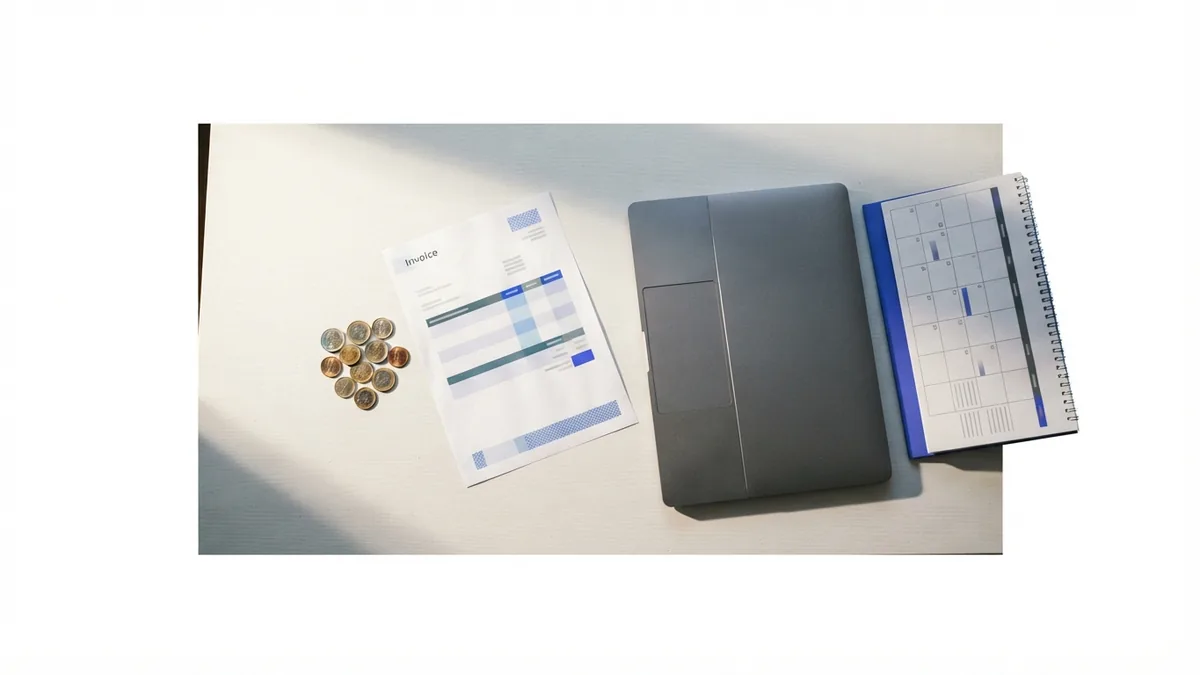
There are several SEPA payment methods, each meant for a different need. A SEPA Credit Transfer sends money from one account to another. People use it for one-off payments, such as rent or an invoice.
A SEPA Instant Credit Transfer sends euros in seconds when both banks support it. It can suit urgent payments, but banks may set limits or charge a fee. Check the terms in your banking app before choosing it.
SEPA Direct Debit lets a business collect money from a customer’s account. The customer first gives permission through a SEPA mandate. This method is common for bills, memberships, and other repeat charges. A mandate is not the same as a card payment; it gives the business permission to request payment from the account.
- Credit transfer: You tell your bank to send money to another account.
- Instant credit transfer: The payment can reach a supported account within seconds.
- Direct debit: You allow a business to collect agreed payments from your account.
These are bank payment schemes, not card payments. A payment gateway may offer SEPA as a checkout choice, but the money still moves through a bank transfer or direct debit scheme. The provider sets the checkout steps and fees.
How to open an account for SEPA payments
There is no special product called a SEPA account that you must open. You need an account with a bank or payment provider that can send or receive euro payments through a SEPA scheme. Many standard personal and business accounts already have this feature.
Start by checking the provider’s account terms. Confirm that it supports euro transfers, the SEPA countries you need, and the payment method you plan to use. If you need instant payments or direct debit, ask about those features separately.
- Choose a provider. Compare account fees, transfer costs, supported countries, and available payment types.
- Apply for an account. Give the provider the details it asks for, such as your name, address, and identity documents.
- Complete account checks. The provider may ask for more details about your income or business, based on its rules.
- Find your IBAN. Once the account is ready, check its IBAN and confirm it can receive euro payments.
- Set up payment access. Use online banking or the provider’s app to send transfers. For direct debit, sign a mandate with the business collecting payment.
Before sending money, check the recipient’s IBAN and name with them. Send a small test payment if the amount is large and the recipient is new. Keep a record of the payment confirmation until the funds arrive.
- sepa direct debit
- sepa payment methods
- euro bank payments
- sepa mandate