What Does ACH Stand For in Banking?
ACH stands for Automated Clearing House. It is a U.S. network that processes electronic payments and transfers between bank accounts. If you wonder what ACH payment stands for, it refers to a payment sent through this network. ACH is a type of electronic funds transfer.
The network handles payments in groups, rather than moving each payment alone in real time. Banks and credit unions send payment details through ACH operators. Those operators sort and pass the instructions to the right banks. The money then moves between the accounts.
ACH is a core part of everyday banking. It supports direct deposit, recurring bill payments, and many transfers between people and businesses. In 2024, the network handled more than 35 billion payments. That is well above 25 billion in a year. Nacha's overview of the ACH Network explains its role in U.S. payments.
Key ACH Terms to Know
ACH terms can look alike on a bank statement, but they describe different parts of a payment. The two main transaction types are ACH debit and ACH credit. The direction of the money helps tell them apart.
- ACH debit: A company or person pulls money from an account after the account holder gives permission.
- ACH credit: The sender pushes money into another account. A paycheck direct deposit is a common example.
- Routing number: This identifies the bank or credit union that holds an account.
- Account number: This identifies the specific account at that bank.
- Nacha: Nacha sets operating rules for the ACH Network and supports its safe use.
So, what does ACH credit mean? It means funds are sent into a receiving account. A tax refund or payroll deposit may appear as an ACH credit. An ACH debit works in the other direction. It takes funds from an account to pay a bill or other charge.
People often provide their bank account and routing numbers to set up an ACH payment. The payer may also need to approve the transfer. Never share account details with a business you do not trust. Check the amount, payment date, and terms before you agree.
ACH Debit and ACH Credit: The Main Types
ACH debits and credits are both electronic payments, but they serve different needs. With a debit, the business that receives payment starts the request. For example, a utility company may debit a customer’s account each month. The customer must first allow that payment.
With a credit, the sender starts the payment and sends money to another account. Employers use ACH credits for payroll. People can also use them to send money to a bank account, depending on the service they choose. Banks may set limits or charge fees for some transfers.
Here is a simple way to keep the terms straight:
- Debit: Money leaves the account being charged.
- Credit: Money enters the account receiving funds.
Bank statements may use labels such as ACH debit, ACH credit, or ACH deposit. The exact wording varies by bank. If a listed payment looks wrong, contact the bank promptly. Ask for the company name, date, and payment details tied to the entry.
How an ACH Payment Moves Between Banks

An ACH payment starts when a sender gives an instruction to a bank or payment service. For a debit, the account holder first grants permission. For a credit, the sender asks their bank to send funds. The instruction includes details that help banks route the payment.
The sending bank groups payment instructions and sends them through an ACH operator. The operator sorts them for receiving banks. The receiving bank then posts the payment to the right account. Banks may process these files on set schedules, so the payment is not always instant.
A typical ACH transfer takes one to three business days. Weekends and bank holidays can add time. Same-day ACH is also available for eligible payments, though cutoff times and limits apply. Check with your bank for its own timing and fees.
A payment status such as “processed” does not always mean the money is already available. It may mean the sender’s bank accepted or sent the instruction. The receiving bank may still need time to post it. Check both the status details and the account balance before treating funds as cleared.
Why People and Businesses Use ACH
ACH can move money without writing or mailing a paper check. That can cut handling time and reduce costs for regular payments. It also gives businesses a way to pay many workers or suppliers through one payment process. For customers, scheduled payments can make bills easier to manage.
ACH works well when a payment is planned and does not need to arrive within seconds. Direct deposit can put wages or benefits into a bank account. Automated bill payments can reduce the need to mail checks. Businesses may use ACH to collect customer payments or send vendor funds.
ACH is not free of risk. A wrong account number can send a payment astray or cause it to fail. An account may also lack enough funds when a debit is due. Keep a record of approvals, check bank statements, and update payment details when accounts change.
Common Uses for ACH Transfers
ACH serves both one-time and recurring payments. Payroll and government benefit payments are common credits. Mortgage, utility, and subscription payments are common debits. Some banks also let customers transfer funds between accounts at different banks through ACH.
Before setting up a transfer, confirm the payee and account details. Ask when the first payment will leave and whether later payments run automatically. For a recurring debit, learn how to change or stop the payment. Keep enough funds in the account on the scheduled date.
Businesses often choose ACH for routine payments because it works well at scale. A business can send many payroll credits or collect approved customer debits. The process avoids printing and handling checks. Yet a business must still protect bank data and follow network rules.
ACH Compared With Cards, Checks, and Wire Transfers
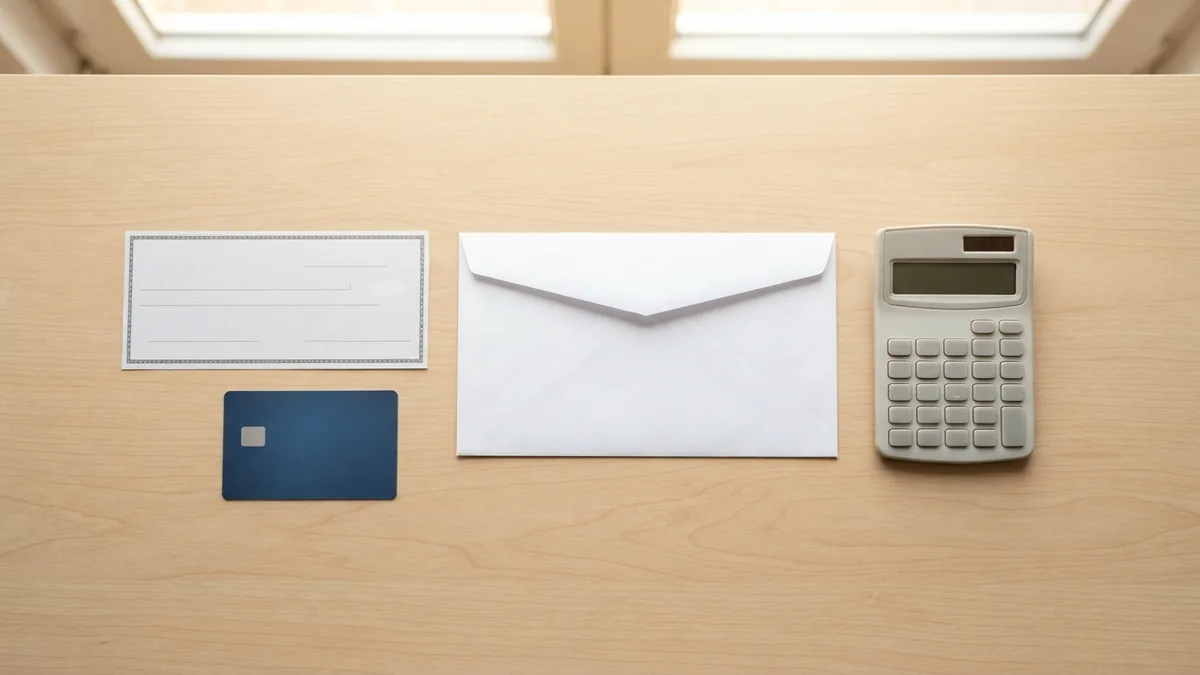
ACH is different from a card payment. A card usually sends a payment request through card networks, while ACH uses bank account details. Card payments often show a quick approval, but final settlement may take longer. ACH usually takes more time to post, but it can suit scheduled bank payments.
Paper checks also rely on bank accounts, but they need to be written, delivered, and processed. ACH removes much of that paper handling. A wire transfer is another bank-to-bank option. Wires are often faster, but they can cost more and are commonly used for urgent or large payments.
| Payment type | Typical use | What to expect |
|---|---|---|
| ACH | Payroll, bills, account transfers | Often one to three business days |
| Card | Retail and online purchases | Quick approval at checkout |
| Check | Payments by paper | Needs delivery and bank handling |
| Wire | Urgent or large transfers | Often faster, with possible fees |
Choose based on timing, cost, and the details the recipient needs. ACH is a strong fit for many repeat payments and bank transfers. A card may be easier for a purchase. A wire may suit a time-sensitive transfer, but confirm fees and account details first.
- ACH bank transfer
- ACH debit payments
- ACH credit deposit
- direct deposit payments
- automated bill payments